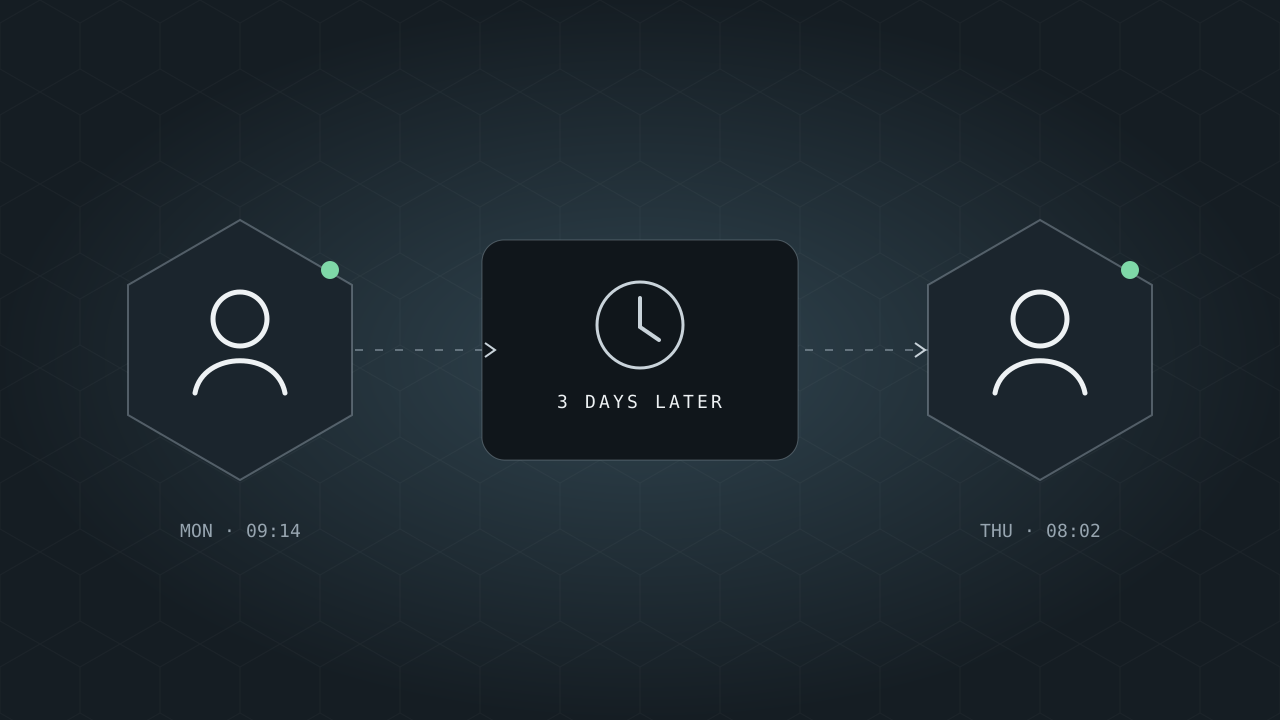
A turn-based match can be quiet for three days and still be very much alive. Designing for that silence changes what multiplayer infrastructure needs to remember, what it can assume, and how it welcomes a player back.
The connection is not the match
In a live session, the players and the server are usually present at the same time. A connection carries actions, updates and the small signals that tell everyone what is happening. When someone disappears, getting them back into that shared moment is an immediate concern.
Correspondence play starts with a different expectation: leaving is normal. A player makes a move, closes the app and returns when life allows. Their opponent may not have opened the game yet. The match needs to remain coherent without either person watching it, and without a connection keeping it alive.
A move needs a durable answer
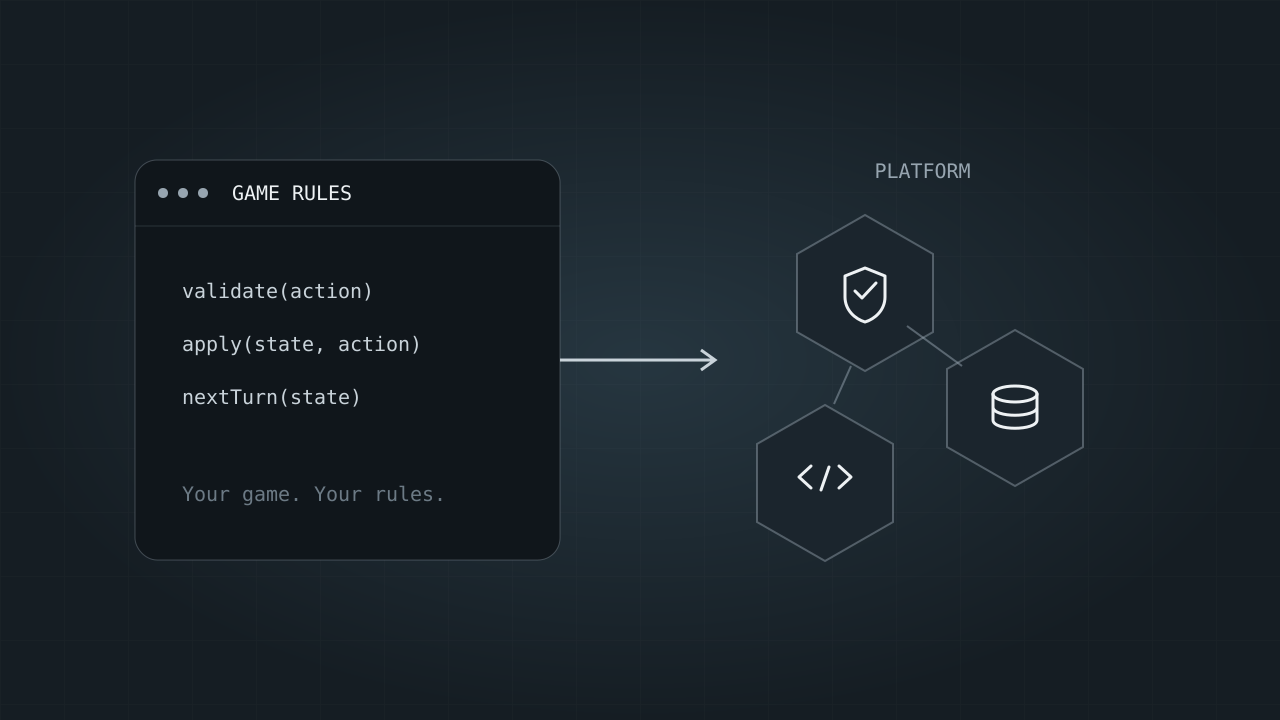
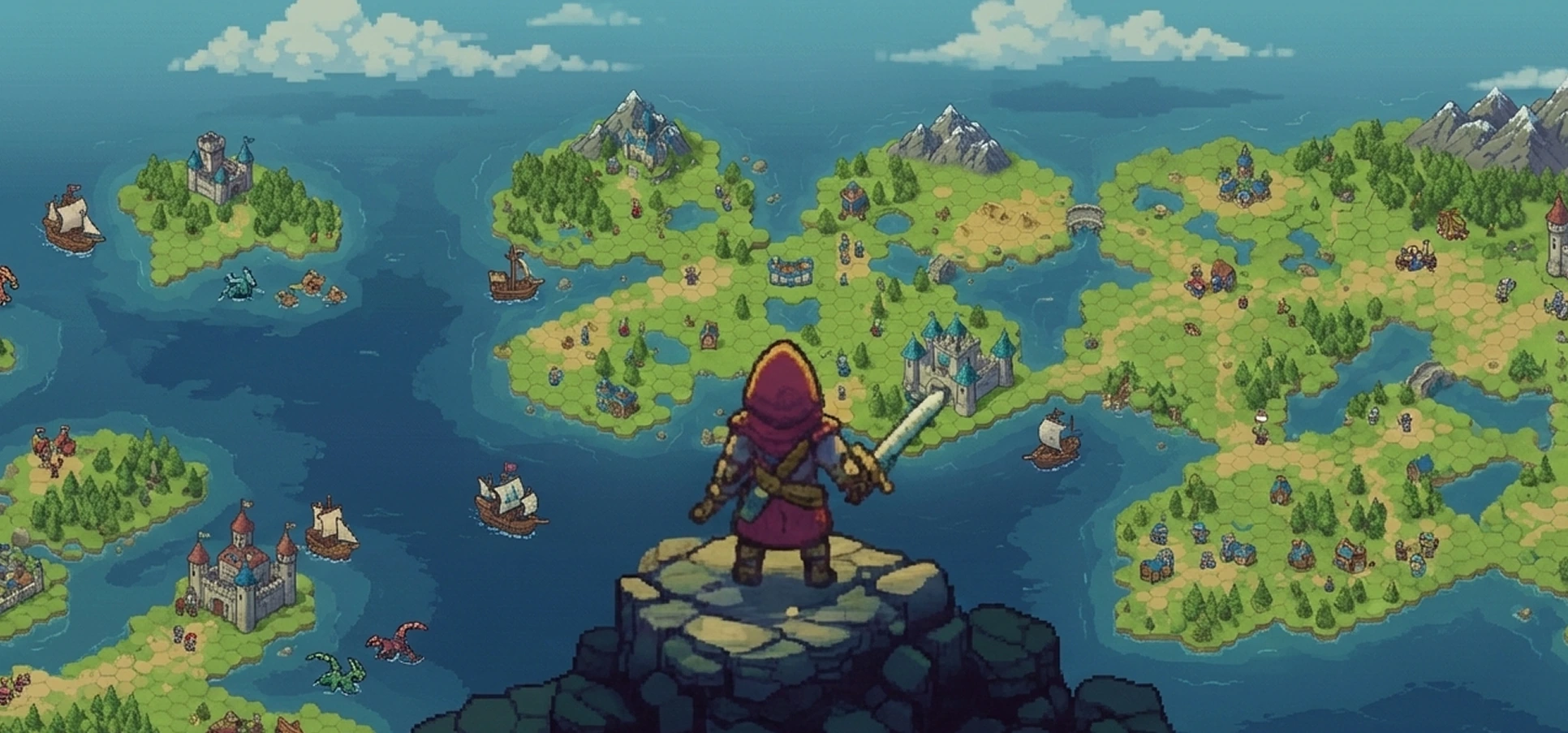
Battle for Velune is built around turns that fit into a player's own time. The server owns the authoritative state, and the game supplies the rules that determine whether a move is legal and what happens next. That division matters just as much when the next action is days away as when it arrives immediately.
The useful question is not simply whether a message reached a server. It is whether the match accepted the action and can recover the resulting state. A dropped connection should not leave a player guessing which version of the board is real. On returning, they need the current match, not the memory of the screen they last saw.
This makes persistence part of the playing experience. Storing a match is not merely an administrative task after the interesting work is done. It is what lets the game wait. The current position, whose turn comes next and the actions that led there all help a returning player find their place.
A notification is an invitation back
A turn notification bridges the time between two visits. It tells a player that something is ready for their attention; it should not become the source of truth about the match itself. By the time someone follows it, the device or connection may have changed. The game still needs to load the authoritative state.
That is why asynchronous play reaches beyond a single session feature. It touches identity, saved state and notifications. A player should be able to leave on one device and return on another without becoming a different participant. Each part needs to agree about the player and the match, even when neither has been active for a while.
Keep the rules separate from the pace
Live play and asynchronous play share some foundations, but their expectations are different. A live match cares about keeping everyone in the same moment. A correspondence match cares about preserving a moment until the next player is ready. Supporting both should not mean pretending one is just a slower version of the other.
For Nerdino Platform, that distinction is a reason to keep the building blocks separate. A game can own its turn rules while using the platform for authoritative state, persistence and communication. The infrastructure should support the rhythm the game needs, rather than asking the design to imitate a particular kind of session.
The test is simple to describe: can a player return after three days, understand what happened and make the next move with confidence? Making that feel ordinary is the work. The waiting is not a pause in the design. It is part of the game.